
My First IRONMAN 70.3
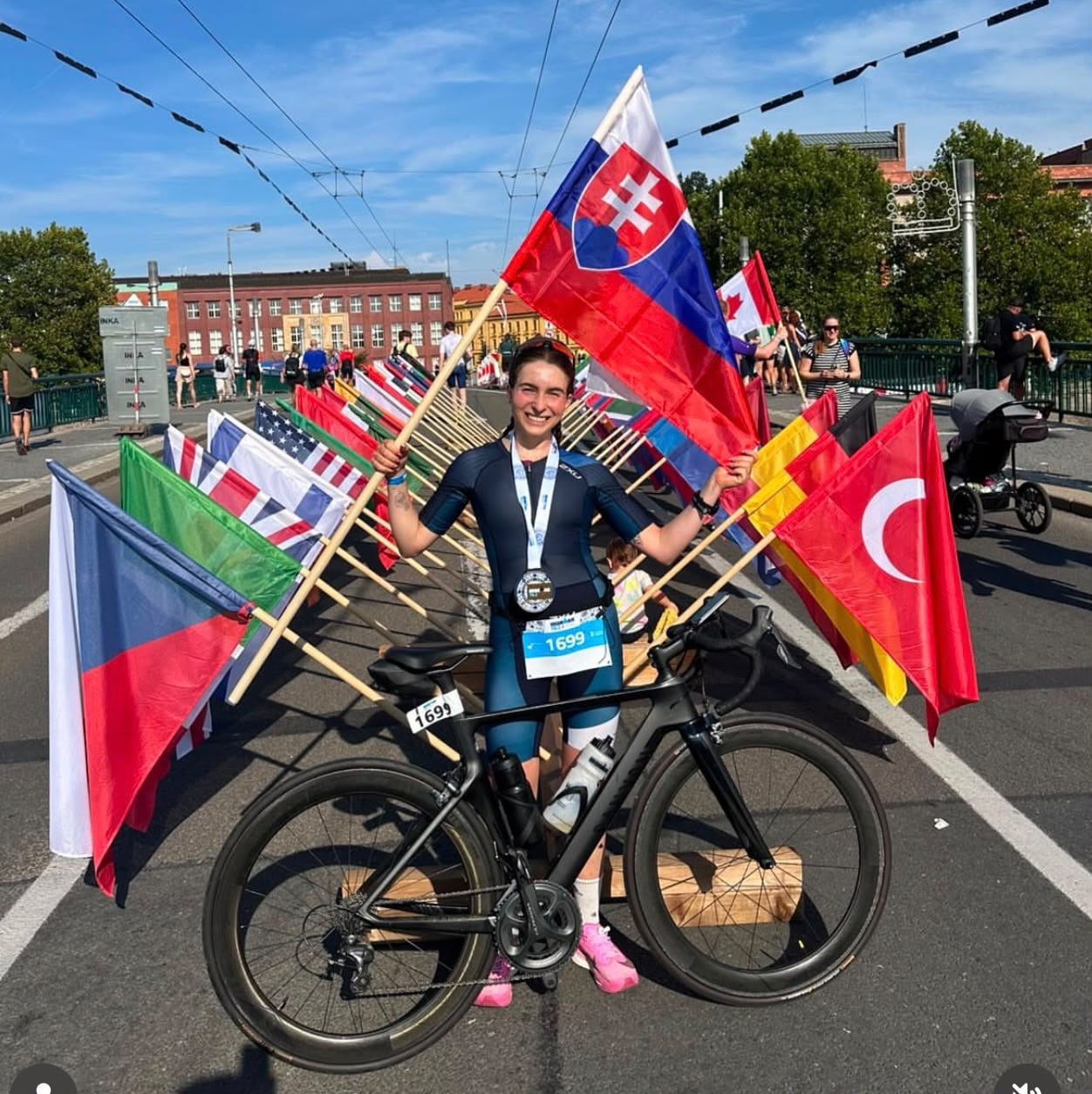
Funny how consistency can turn what once seemed impossible into your new normal.
IRONMAN 70.3 Hradec Králové, Czech Republic | August 2026
There was a time when running just 3 kilometres felt like a massive achievement. I still remember celebrating with my university friends after finishing our first 3KM run. We were exhausted, proud, and convinced we’d accomplished something extraordinary. And we had.
Fast-forward a few years, and there I was, standing at the starting line of my first IRONMAN 70.3, about to swim 1.9 kilometres, cycle 90 kilometres, and run a half marathon. All in one day.
Funny how your perception of what’s possible changes when you keep showing up.
The Journey Nobody Sees
Let me start with the steps that brought me to that moment. The race itself is only a small part of the story. (I know, right? Hard to believe…)
What people don’t always see are the early mornings, the long weekends, the workouts squeezed between work meetings, and the constant planning around training.
Spending 10 hours a week exercising might sound manageable on paper. But add commuting to the pool, preparing equipment, planning meals, recovering, washing endless piles of sports clothes, and trying to maintain a social life alongside a full-time job. Some weeks, it genuinely felt impossible.
Slowly, something changed. The workouts that once felt overwhelming became part of my routine. Distances I used to celebrate became ordinary training sessions. And things I never imagined doing became things I was preparing to do.
Not because I was naturally talented. Not because I suddenly became fearless. Because I kept showing up. Consistency doesn’t make everything easy. It makes things that once felt impossible achievable.
The Night Before: Am I Really Ready?
I think one of the strangest feelings is knowing you’ve spent months preparing for something and still questioning whether you’re ready.
The evening before the race, I had so many emotions. Excitement. Nervousness. Pride. Fear. I wanted to start. I wanted to finish. I wanted to enjoy every moment, but I also wanted to get it over with. It’s a strange mix of emotions when something you’ve worked towards for months is finally just hours away.
That evening, a friend told me something I’ll remember for a long time:
“Don’t think about tomorrow’s race. Think about all the training sessions that brought you here. You’ve already done the work.”
She also reminded me that even professional athletes sometimes don’t finish races. Things go wrong. Bodies don’t always cooperate. And a DNF (Did Not Finish) doesn’t erase the effort that came before it.
Sometimes we become so focused on the finish line that we forget to appreciate everything we’ve already accomplished just by reaching the starting line.
Race Day: When Things Don’t Go to Plan
You can train for months, prepare your equipment, study the course, and create the perfect nutrition strategy. And then race day happens.
My first IRONMAN 70.3 was definitely not a perfectly executed race.
My swim cap broke. I forgot my energy gels for the bike. And suddenly, the carefully prepared race-day plan needed some improvisation. Not exactly the smooth experience I’d imagined!
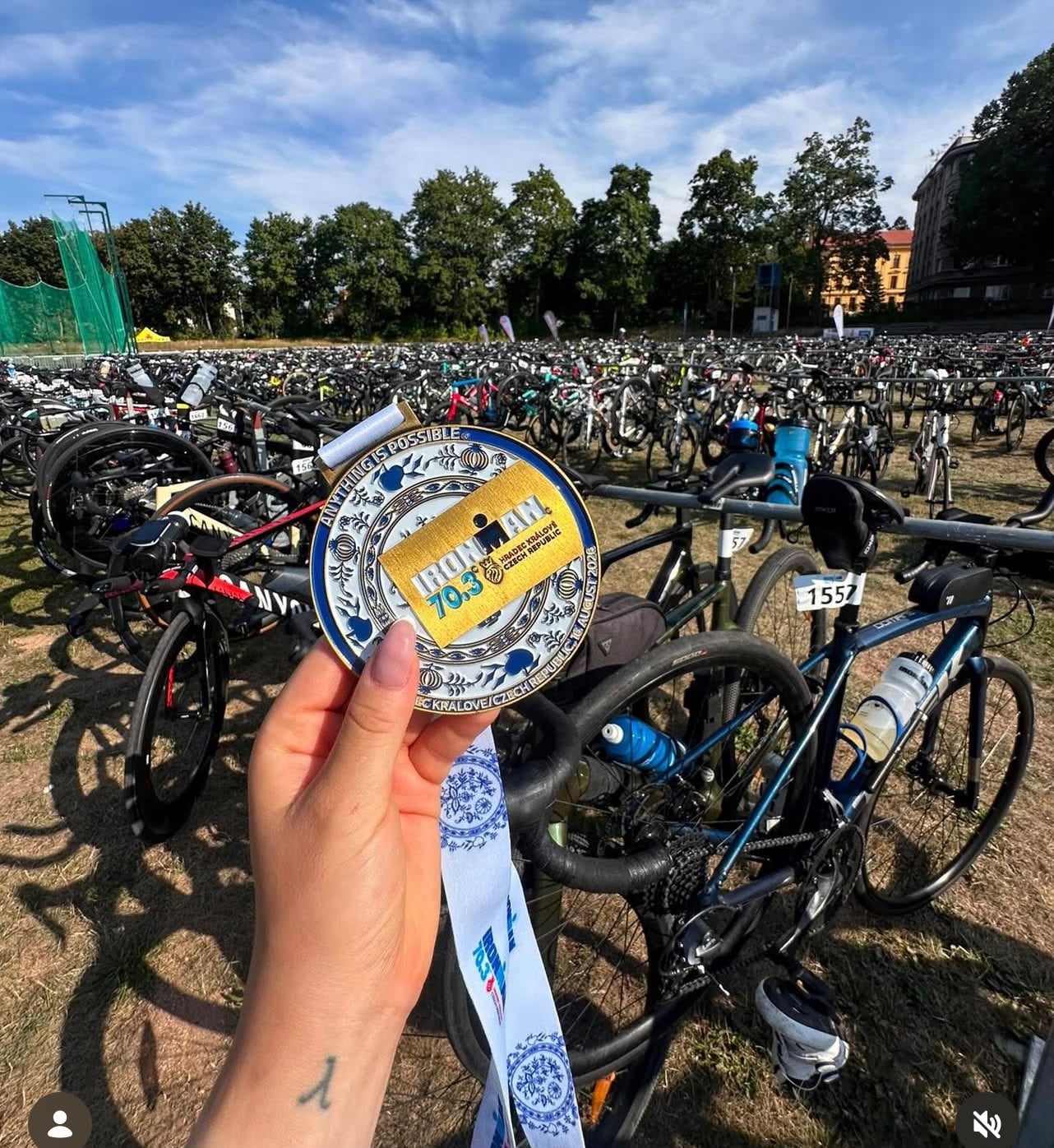
Those moments taught me something important. You shouldn’t only practise how to execute your perfect race. You should also prepare for everything that might go wrong.
What happens if you forget something important? What if your equipment fails? What if you have to change your plan halfway through?
Physical preparation matters, but so does being able to stay calm, adapt, and keep moving forward when things don’t go as expected.
More Than a Finish Line
When I think about my first IRONMAN 70.3, I don’t just think about the distances.
I think about the university student who once believed 3 kilometres was her limit. I think about the countless hours of training and the moments when I would rather have stayed in bed. I think about the people who encouraged me, the overcoming of doubts and all the small decisions that eventually brought me to that starting line.
I realise that this experience was never really just about finishing a triathlon. It was about proving to myself that my limits aren’t necessarily fixed.
The impossible doesn’t become possible in one extraordinary moment. It becomes possible through hundreds of ordinary moments when you choose to keep going.